Sponsored by Espacio Diseño
The condition of the property, energy efficiency, location, and the needs of each family are some of the factors that must be analyzed before choosing between building a new home or renovating an existing building.
When considering a home, budget is just one of the factors involved. Other considerations include location, building condition, layout possibilities, energy consumption, construction timelines, and even the value of preserving a historic building. Espacio Diseño points out that there's no single right answer: each project requires analyzing its own specific circumstances before deciding between new construction and renovation.
New construction allows you to start from scratch and design a home tailored to current needs, in terms of layout, comfort, and energy efficiency. In a single-family home, it's also possible to define construction solutions, heating and cooling systems, and insulation from the outset. The trade-off is a generally higher investment and the need to manage the timelines associated with the project, permits, and construction.
In the case of renovations, Espacio Diseño works with existing buildings, which means facing certain constraints, but also offers the possibility of preserving elements that give the property its character. A successful renovation can completely transform the layout, improve insulation and systems, and incorporate modern efficiency and comfort solutions without necessarily sacrificing the essence of the original construction.
Restoring buildings and adapting them to modern life
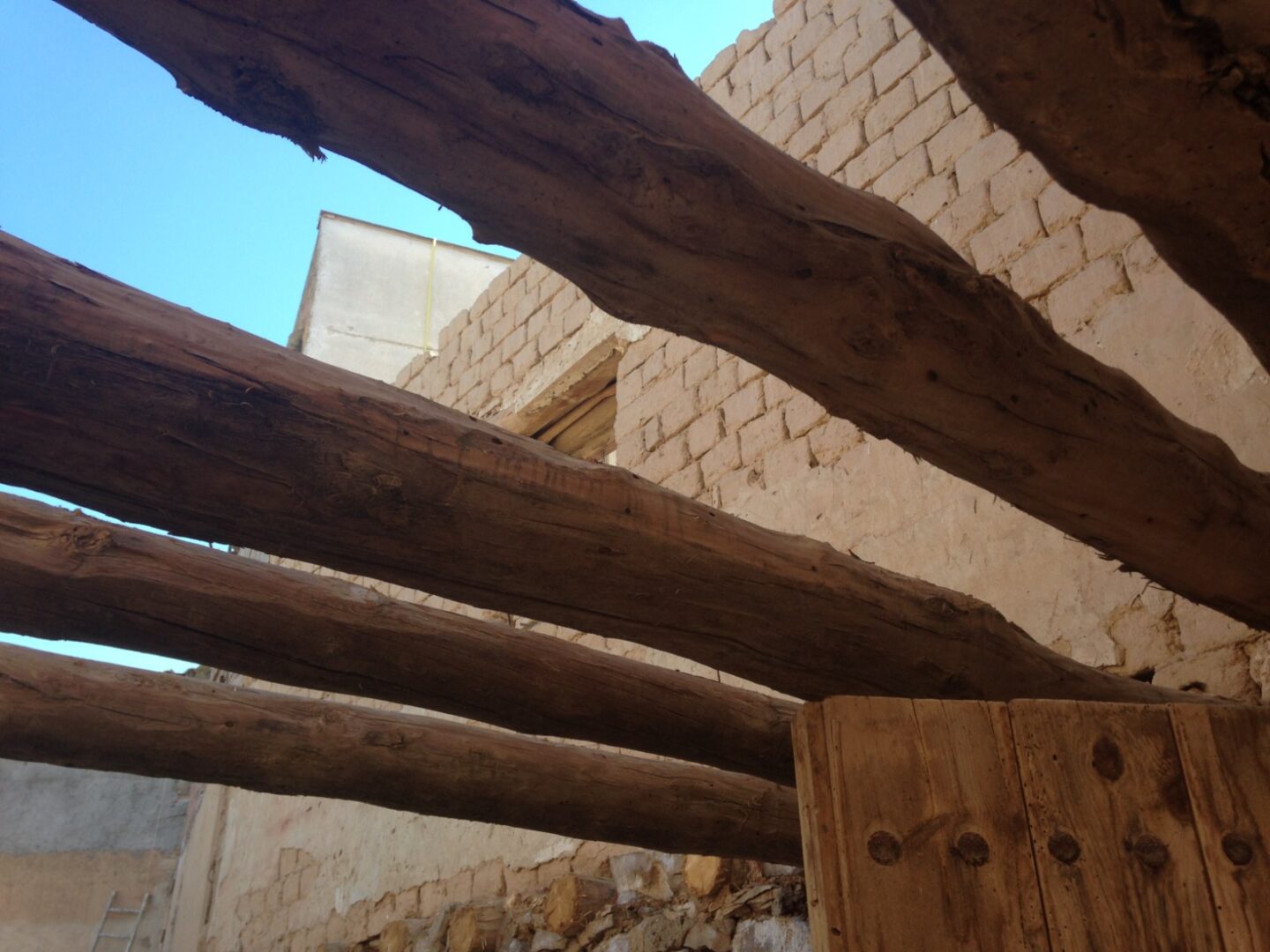
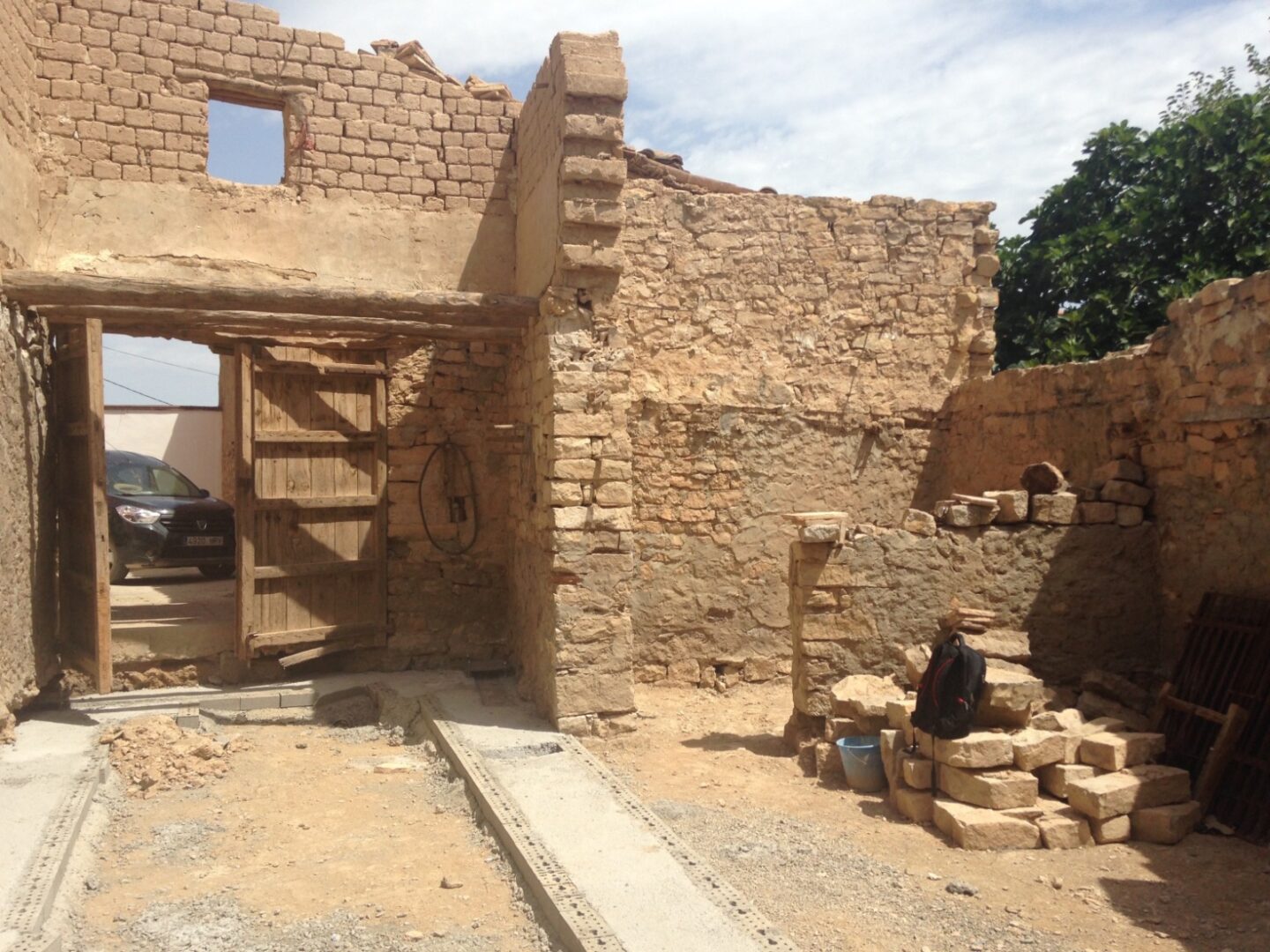
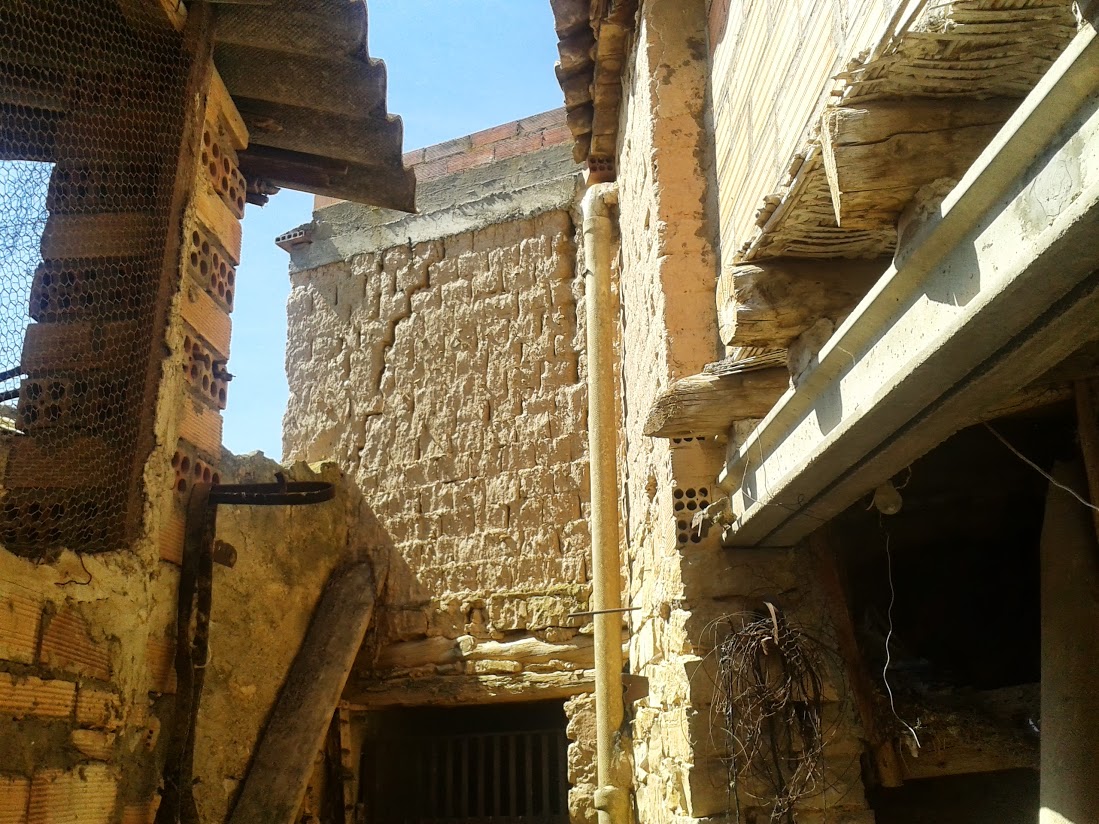
In the municipalities of Bajo Cinca and the surrounding areas, there are numerous houses, warehouses, barns, and other buildings that could be given a second life. Espacio Diseño has worked, for example, on the complete renovation of a barn in Ontiñena, as well as carrying out interior renovations in Fraga and new construction projects in Tamarite de Litera.
These are different approaches that highlight a common reality: not all buildings require the same solution. Before starting any renovation, it is essential to understand the building's actual condition. The structure, dampness, insulation, and existing installations can all influence both the scope of work and the final budget.
In older buildings, any modifications must be studied with particular care. Work on walls, floors, or roofs may require specific solutions, and when it is necessary to avoid overloading, the use of lightweight materials and construction systems can become an attractive alternative.
Isolation, one of the keys to rehabilitation
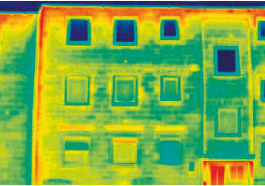
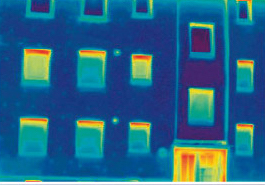
A significant portion of a home's energy consumption is related to energy losses through its building envelope. Therefore, before deciding on any actions to take, it is advisable to analyze the building's energy performance and identify its main weaknesses.
Among the available solutions is the EIFS (Exterior Insulation and Finish System), which allows for the incorporation of exterior insulation in both new buildings and renovations. When work on the facade is not possible, other alternatives can be considered, such as insulation of air cavities or interior wall linings.
This last option can be especially interesting in buildings where the aim is to maintain the exterior appearance or when the characteristics of the building do not allow intervention from the outside.
Dampness: find the source first
Dampness is one of the most common problems in existing buildings, but not all dampness has the same origin, nor should it all be treated in the same way. Before applying any solution, it is necessary to determine what is causing the problem.
In the case of rising damp, for example, an inappropriate intervention can actually worsen the situation. Therefore, in certain renovations, it may be necessary to remove deteriorated waterproof coatings and replace them with breathable solutions, such as lime mortars and suitable finishes.
When the intervention is more extensive, a Building Assessment Report can provide useful information on the condition of the building and existing pathologies before defining the project.
Energy efficiency and renewable energy
Improved insulation can be complemented with renewable energy generation systems. Available options include solar thermal energy, photovoltaic panels, biomass boilers, and aerothermal energy.
In areas with significant agricultural activity, biomass also presents possibilities linked to the use of certain by-products, such as pruning waste, olive pits or almond shells, to produce thermal energy.
Aerothermal systems, on the other hand, harness the energy present in the air to heat and cool spaces. As with any system, its suitability will depend on the characteristics of the building and the investment required within the overall project.
It's not always necessary to rehabilitate everything
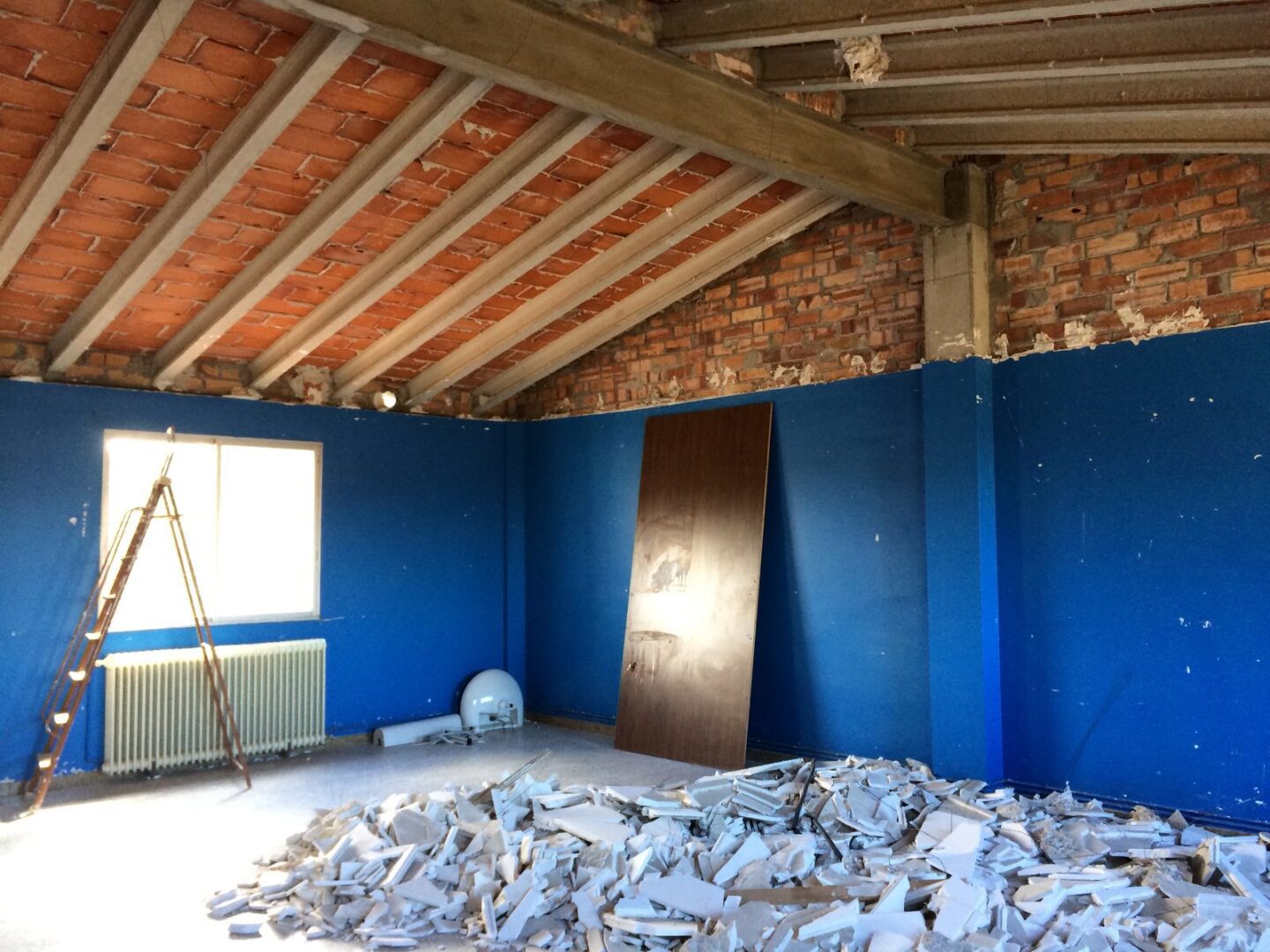
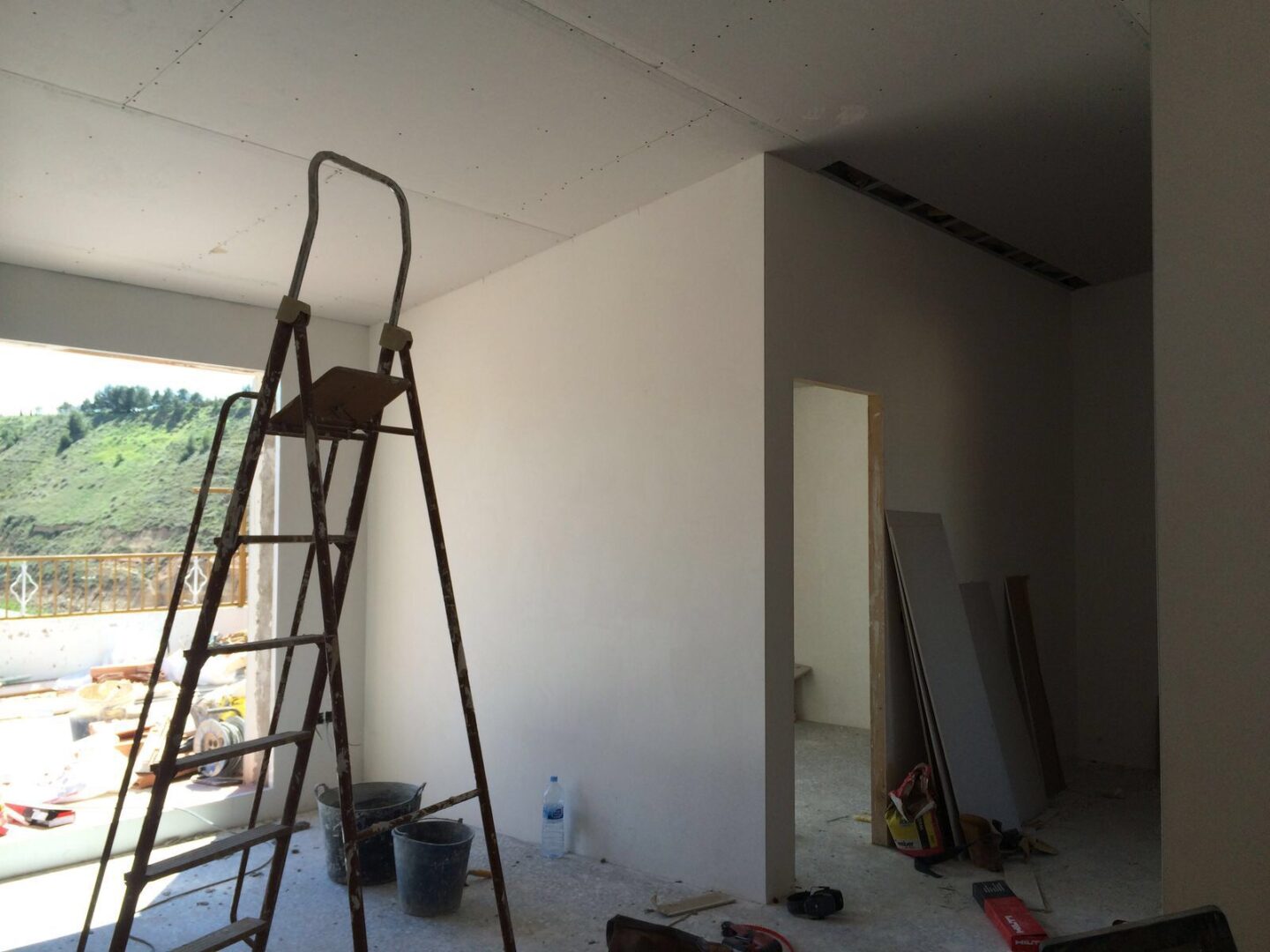
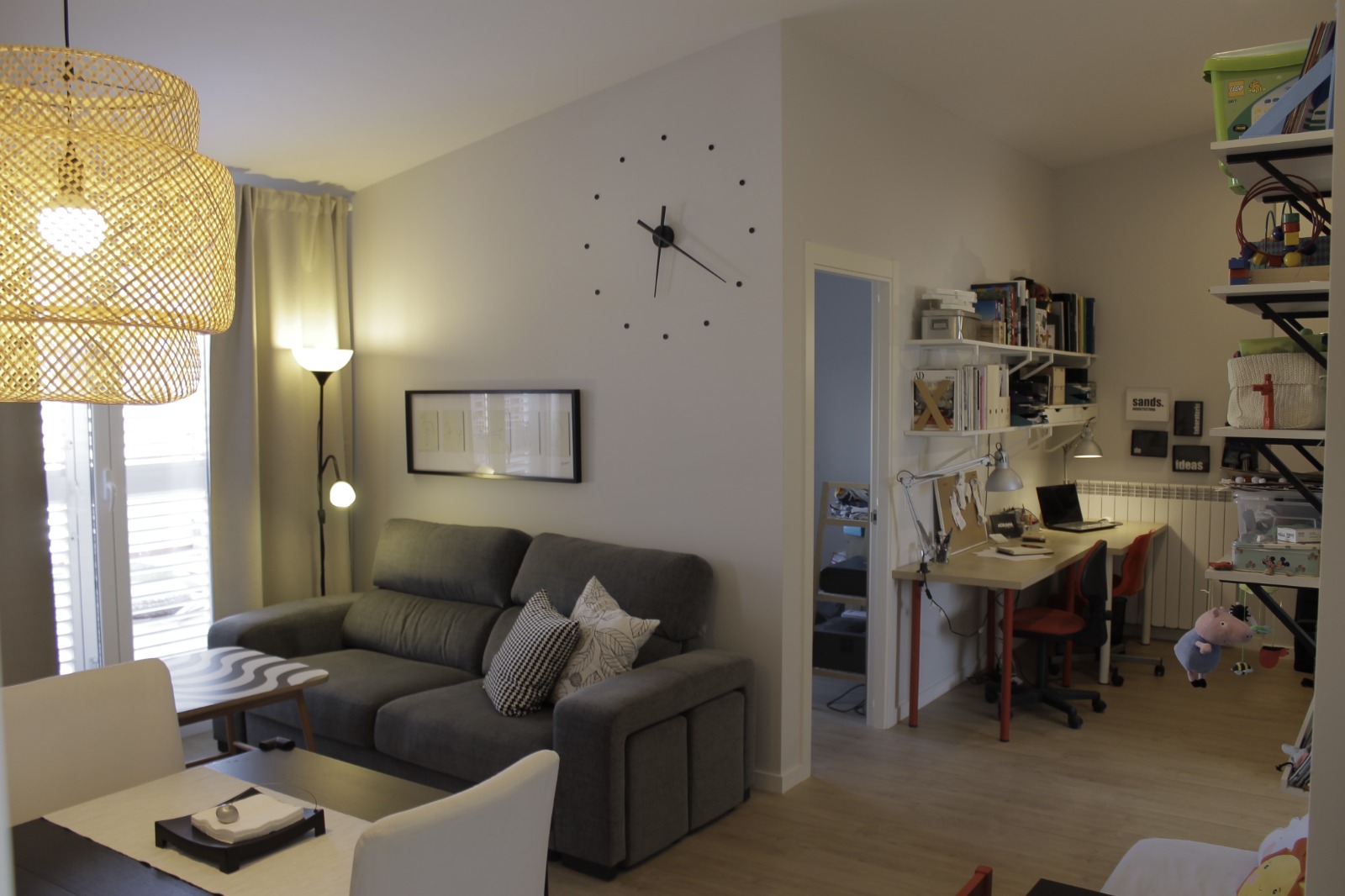
A renovation doesn't necessarily have to involve a complete overhaul. In some homes, it may be enough to address outdated installations, such as water, electricity, or sanitation systems, especially when their age or new usage needs make their replacement advisable.
Interior renovations can also achieve a significant change without altering the structure. Replacing flooring, updating kitchen and bathroom finishes, or painting or wallpapering walls are all ways to update a home on a more limited scale.
Two paths to achieve the same goal
Building from scratch and renovating are two different ways to achieve the same goal: to have a comfortable, efficient home adapted to the people who will use it.
The decision will depend on the budget and the deadlines, but also on the location, the actual condition of the property, its construction possibilities and the value that preserving an existing building may have.
Therefore, before making a decision, analyzing the building and establishing the project's real priorities can be the best way to control the investment and avoid surprises during construction.