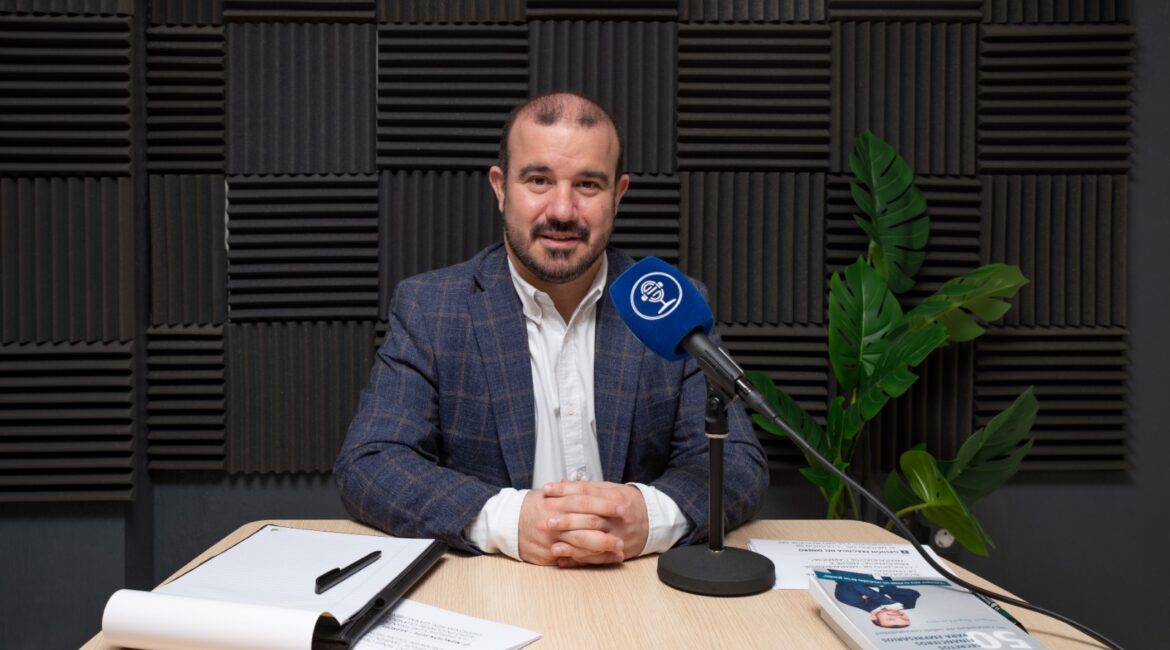
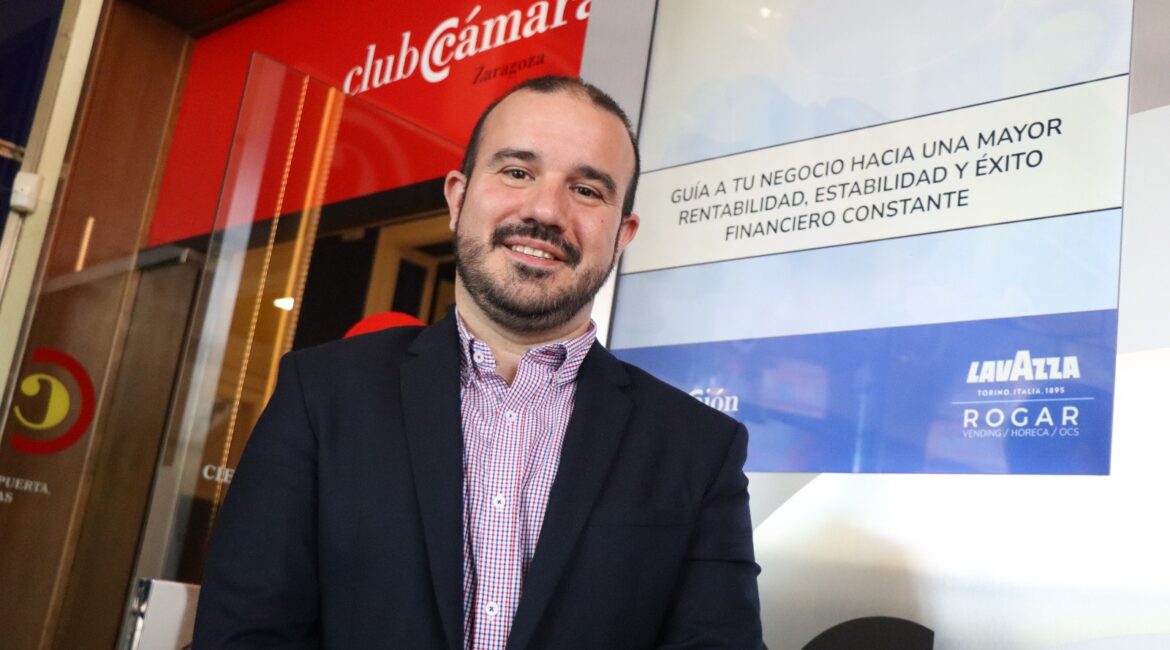
Summary of the presentation by our collaborator at the 1st Professional Fruit Conference organized by the Bajo/Baix Cinca Region
We know how to produce fruit here. That's not up for debate. We've been doing it for decades. With effort, with knowledge, and often, with more risks than certainties. But today the debate isn't about producing more or better fruit. The question is something else:
How much of the value generated by that fruit actually stays here in the Lower Cinca region?
Because producing fruit is one thing, but making money for the company that produces or stores it is quite another. Being profitable. Generating profits. Operating year after year without being on the edge.
For too long we've focused on volume. On moving kilos. On moving trucks. On saying, "This year we've exported more than ever." And that's fine. But it's not enough.
Profitability doesn't come just from producing more, but from earning more with what you produce.
And that's called margin.
Profit margin is what's left after you subtract costs from the selling price. It's what allows you to pay salaries, repair the tractor, replace the gauge tape, weather a frost, or plan for next year. Without a margin, it doesn't matter how much you bill: the business won't survive.
This is where a very simple formula comes in: Profitability = Margin × Turnover
We've been maximizing crop rotation for years, but the margin is getting tighter and tighter. And on top of that, we're competing with imported fruit grown in countries where costs are lower and health and environmental regulations are more lax.
It's a tough playing field. And if we keep playing by the same rules, we're not going to win.
That's why it's time to change our approach.
Moving from a volume model, where everything depends on how much you produce, to a value model , where what matters is how much margin you have left for what you sell.
And here's some good news: this model is more affordable than it seems.
You don't need 300 hectares. In fact, those who have been in this business their whole lives and already own the land outright, debt-free, are in a privileged position. With less initial investment, they can focus on producing quality, differentiating themselves, and seeking a better price.
And how do you get that?
Branded.
I'm not talking about spouting pretty phrases and catchy slogans. I'm talking about knowing what you do, how you do it, and why your fruit is worth more than another. About telling a story. About having an identity.
Because if you don't differentiate yourself, you blend in with everyone else. And when you blend in, you compete on price. And when you compete on price… you know how that ends.
A well-developed brand allows you to choose your clients, set conditions, and not depend on those who come to push the price down every campaign.
Branding is the tool that helps you gain margin.
And the margin, as we said before, is what allows the company to function. And since we're talking about functioning: let's talk about sustainability. We use this word a lot, but it's often confused with bureaucracy.
Real sustainability is the one that leaves money in the bank at the end of the year.
The kind of business that allows you to keep working the following year without needing a loan to get started. When a company makes money, the whole community benefits: employees, suppliers, bars, workshops, transporters… The value stays in the area. That's what we need to defend.
We have land here, we have produce, we have people who know what they're doing. What's often lacking is a change of mindset.
It's not about producing more. It's about being worth more.
And that is achieved with a clear strategy, well-calculated margins, and a brand that makes you recognizable.
Because in the end, the value that isn't kept... is lost.